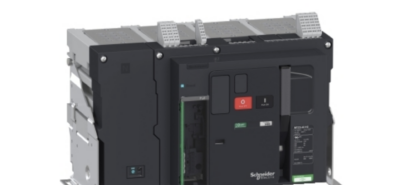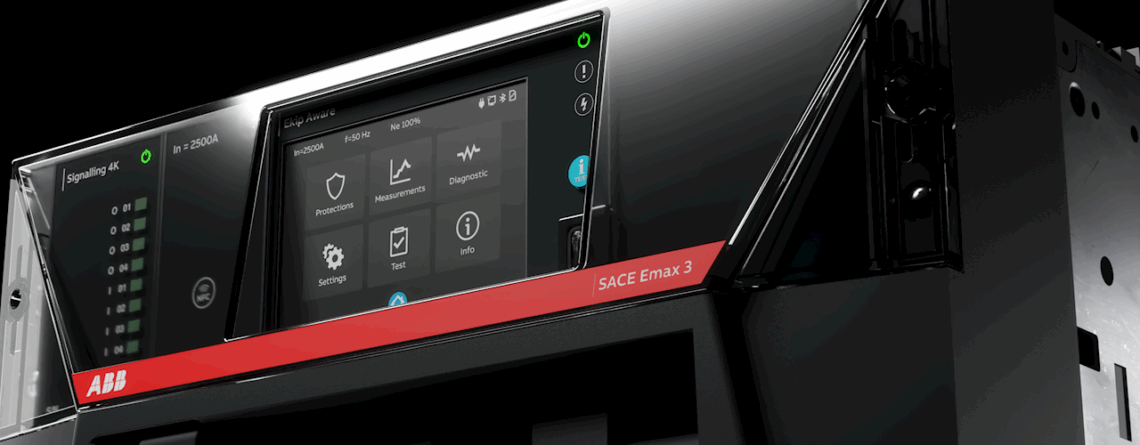
Is the ABB Emax 3 ACB truly revolutionary?
The new ABB SACE Emax 3 has been unveiled as the next step in ABB’s air circuit breaker family. But is it a true game-changer, or just the next logical iteration?
Let’s explore 5 key features / USPs, and I’d love to hear what you all think:
1.
Cybersecurity built in (IEC 62443 SL2)
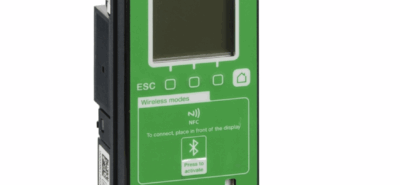
Emax 3 is the first air circuit breaker to achieve Security Level 2 under IEC 62443. ABB is emphasising that it’s designed for critical infrastructure with embedded protection against firmware/communication threats.
Discussion Point: In an era of smart grids and more connected devices, how important is native cybersecurity in switchgear?
2.
Predictive diagnostics & enhanced sensing / intelligence
With embedded sensors and data analytics, Emax 3 claims to support predictive maintenance, real-time system health monitoring, and advanced diagnostics.
Discussion Point: Will condition monitoring in breakers replace regular scheduled maintenance in the next 5–10 years?
3.
Power quality & measurement built-in
It offers 0.5% accuracy in active power & energy measurement, integrated network analytics, dataloggers, and advanced metering functions.
Discussion Point: How often do you see breaker-level metering solutions used in main LV / distribution switchboards? Are they cost-effective in your view?
4.
Seamless system integration, modularity & future-proof architecture
Emax 3 supports scalable upgrades, backward compatibility, and optimized communication architecture (e.g. embedded interfaces) allowing the breaker to evolve over its life.
Discussion Point: For long-lifecycle projects, how much weight do you place on upgradability vs upfront cost?
5.
Arc flash detection & enhanced safety, simplified wiring
It integrates arc flash detection, aims to reduce wiring complexity, and claims simplified deployment and lower on-site labour (less wiring, fewer callbacks)
Discussion Point: Does integrating arc flash detection at the breaker level change how you design switchgear or system safety protocols?
✅ My Take
I think Emax 3 is more than just incremental — it leans toward being revolutionary in how it targets modern challenges: cybersecurity, predictive maintenance, and integration for critical infrastructure. But whether it will become “the standard” depends on pricing, install base acceptance, and how quickly end-users adopt smarter systems.
If I were advising, I’d start specifying Emax 3 in projects where you need longevity, monitoring, and resilience (data centres, hospitals, smart buildings) — and continue evaluating cost/benefit in more conventional installations.
Question for you / audience:
Which of these features do you see as the most “make or break” for future switchgear selection (cybersecurity, diagnostics, metering, modular upgrade or safety)? And where do you see Emax 3 making the most difference?